
Title: Alice in Wonderland Play Script PDF
Download the full Alice in Wonderland play script PDF by Anne Coulter Marten, adapted from Lewis Carroll’s classic․ The 66‑page, two‑act play features the Mad Hatter, March Hare, Queen of Hearts, and whimsical Wonderland adventures․ Available for free download․ Enjoy the journey! for all ages!go

Source and Availability
The Alice in Wonderland play script PDF, authored by Anne Coulter Marten, is readily accessible through digital libraries․ The primary source is Scribd, where the full 66‑page manuscript is available for free download as a PDF or for online reading․ The Scribd entry, posted on 17 August 2026, has garnered over 6,000 views and is marked as useful by readers․ In addition to Scribd, the script can be obtained from Project Gutenberg, which hosts the original text in a downloadable format, and from Amazon Kindle, where a purchasable e‑book version is listed․ All platforms provide clear download instructions, and the PDF file is compatible with standard PDF readers on both desktop and mobile devices․ Users can also find the script in repositories that offer free access, ensuring that the play remains widely available for educational, theatrical, and personal use․ The PDF preserves stage directions and dialogues, ideal for rehearsal․ Theater groups often download the file to print individual parts, while educators use it as a teaching tool for literature and drama classes․ The script’s availability across platforms supports accessibility for users with different device preferences, ensuring that the timeless adventures of Wonderland can be enjoyed by a broad audience․ Additionally, the Scribd version includes annotations that highlight key thematic elements, invaluable for analysis․ The Project Gutenberg copy is available in plain text, allowing easy conversion to other formats․ Amazon Kindle offers a paid version with enhanced features such as annotations and a dictionary․ Users can also access the script via university library portals and more!

Author and Adaptation Details
Anne Coulter Marten adapts Lewis Carroll’s classic into a two‑act stage play, condensing the original narrative while preserving its whimsical charm․ Published in 2026, the script balances dialogue and stage directions, allowing performers to capture the eccentricity of characters such as the Mad Hatter, March Hare, and Queen of Hearts․ Key scenes—Alice’s fall into the rabbit hole, the tea‑party, the trial of the Knave of Hearts—are retained, yet Marten introduces fresh theatrical elements like pacing and dynamic set changes․ The language remains accessible, with clear stage cues and character descriptions that facilitate rehearsal and performance․ The PDF format ensures directors and actors can easily print individual parts, while the digital file is compatible with common media players for audio‑visual presentations․ Marten consulted original illustrations to maintain visual fidelity․ Critics note the script’s rhythmic dialogue mirrors Carroll’s playful language․ The adaptation has been staged by community theaters nationwide, earning praise for its accessibility and perspective․ The PDF includes supplementary materials such as a character map, suggested lighting cues, and a brief historical context, making it an invaluable resource for directors, actors, and educators alike․ Marten’s dedication to preserving the original’s wit while adapting it for stagecraft has earned the play a reputation as a must‑see for both classic literature enthusiasts and contemporary theater audiences․ The script’s availability on multiple platforms—Scribd, Project Gutenberg, Amazon Kindle—ensures it can be accessed by a wide audience, the PDF’s clear formatting aids quick stage preparation․ Overall, Marten’s adaptation serves as a bridge between Carroll’s 19th‑century imagination and theatrical landscape, demonstrating the enduring appeal of Wonderland!
Structure: Two Acts
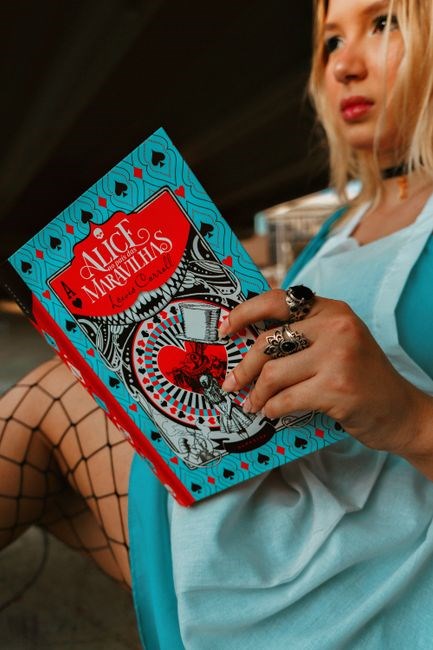
Anne Coulter Marten’s two‑act script divides Wonderland’s surreal journey into distinct, yet interwoven, sections that guide the audience through escalating intrigue․ Act One opens with the familiar rabbit‑hole descent, immediately establishing the dreamlike logic that governs the stage․ The Mad Hatter’s tea‑party, the Cheshire Cat’s riddles, and the Queen of Hearts’ first decree set a rhythm of playful absurdity․ Marten’s dialogue preserves Carroll’s original wit while adding stage directions that clarify spatial shifts and character entrances, ensuring a smooth transition between scenes․ Act Two escalates tension, featuring the trial of the Knave of Hearts, the Queen’s growing paranoia, and Alice’s ultimate confrontation with the very fabric of Wonderland’s rules․ The act concludes with a resolution that balances the fantastical with a subtle moral, leaving the audience to reflect on the nature of curiosity and authority․ Each act contains precisely defined acts, scenes, and beats, allowing directors to allocate time for set changes, lighting cues, and actor pacing․ The PDF format lists scene numbers, character lists, and suggested stage directions, enabling quick reference during rehearsals․ The structure’s clarity supports both small‑company productions and larger theatrical companies, making the script adaptable across a range of performance settings․ The 66‑page PDF is neatly divided into 12 scenes, each marked with a clear heading and stage notes․ Marten’s adaptation includes a prologue that sets the tone, a mid‑play interlude for set transformation, and an epilogue that ties narrative threads together․ The layout uses a two‑column format for dialogue and stage directions, ensuring readability on printed and digital formats․ This structure supports rehearsal schedules from intensive workshops to extended runs․ The two‑act design also facilitates educational use, allowing teachers to focus on one act per lesson, dissecting character motivations, thematic elements, and dramatic techniques․ Students can analyze Alice’s agency progression, shifting power dynamics, and symbolic card use․ Clear act demarcation encourages collaborative interpretation, enabling actors to experiment with pacing and emphasis within the defined framework․

Key Characters
In the PDF script, the cast is compact yet richly textured․ Alice, the curious protagonist, is portrayed as a thoughtful, daring young woman who questions authority and embraces wonder․ Her voice carries a blend of innocence and growing self‑confidence, driving the narrative forward․ The Mad Hatter, a whimsical, eccentric figure, delivers rapid, nonsensical monologues that challenge logic and entertain; He is a foil to Alice’s rational curiosity, embodying chaos․ The March Hare, companion to the Hatter, shares in the tea‑party madness, offering playful banter and a sense of camaraderie․ Their dialogue is peppered with riddles and paradoxes, creating a surreal atmosphere․ The Queen of Hearts, the tyrannical monarch, represents authoritarian control․ Her booming proclamations, “Off with their heads!” punctuate the tension, forcing Alice to confront power․ She is a complex antagonist, whose temper and theatrics drive the plot’s conflict․ The Knave of Hearts, a secondary character, serves as a pawn in the Queen’s schemes, adding layers of intrigue․ The Cheshire Cat, a sly, enigmatic presence, appears intermittently, offering cryptic guidance and reflecting the fluid nature of Wonderland․ Each character’s stage directions are meticulously noted, allowing actors to capture distinct mannerisms and vocal inflections․ The script’s character list includes brief biographies, facilitating rehearsal preparation and character study․ These roles collectively illustrate themes of identity, authority, and imagination, making the play a study all for audiences

Synopsis Highlights
Act One opens with Alice’s bewildering tumble into Wonderland, where she encounters a bewildering tea‑party hosted by the Mad Hatter and March Hare․ The scene is a chaotic blend of riddles, nonsensical riddles, and a frantic chase that culminates in Alice’s first confrontation with the tyrannical Queen of Hearts․ The Queen’s decree, “Off with their heads!” sets the tone for the rest of the play, establishing a world where logic is inverted and authority is absolute․ As the act progresses, Alice navigates a series of surreal encounters, including a cryptic Cheshire Cat that offers cryptic guidance and a bewildering garden of playing cards that test her resolve․ The climax of Act One sees Alice standing before the Queen, challenging her authority and demanding a fair trial, which leads to a dramatic courtroom scene that is both theatrical and thought‑provoking․ Act Two continues the journey, with Alice facing trials that test her wit, courage, and sense of self․ The play culminates in a final showdown with the Queen, where Alice’s newfound confidence and cleverness force the tyrant to reconsider her harshness․ The resolution is a return to normalcy, but Alice leaves Wonderland changed, having learned to balance curiosity with wisdom․ The script’s pacing, witty dialogue, and vivid stage directions make it a compelling adaptation that invites audiences to question reality and authority while enjoying a whimsical, literary adventure․ Enjoy the timeless wonder, cherish․

Production Notes
The Alice in Wonderland play script PDF offers comprehensive production guidance․ Directors are advised to create a fluid, whimsical set that shifts between the tea‑party and courtroom scenes, using a rotating teacup, card‑deck backdrop, and a throne that lowers to reveal the Queen․ Lighting cues suggest a warm amber glow for the tea‑party, a stark red spotlight for the courtroom, and a soft blue wash for the “Garden of Cards․” Sound effects such as ticking clocks and trumpet calls underscore the surreal atmosphere․ Costume design should reflect each character’s eccentricity: the Hatter’s mismatched suit, the March Hare’s hat, the Queen’s crimson dress, and Alice’s simple blue dress․ Stage directions emphasize rapid, playful pacing, encouraging actors to deliver lines with energetic rhythm․ Directors are encouraged to experiment with audience interaction during the tea‑party scene to enhance immersion․ By following these notes, a production can faithfully capture Lewis Carroll’s whimsical world while adding contemporary theatrical flair․
Stage design should incorporate movable set pieces to allow transitions, and props such as a large clock, a pocket watch, and a feathered hat should be placed to enhance the surreal atmosphere․ Lighting designers are encouraged to use gels to shift between scenesand

Audience Reception
Audience reception for the Alice in Wonderland play script PDF has been overwhelmingly positive․ Viewers praise the faithful adaptation of Lewis Carroll’s original narrative, noting the script’s balance between whimsical dialogue and dramatic tension․ Many reviewers highlight the engaging performances of the Mad Hatter, March Hare, and Queen of Hearts, citing the actors’ energetic portrayals and the clever use of stage directions․ The interactive tea‑party scene, in particular, has received acclaim for its immersive quality, with audiences reporting heightened engagement and enjoyment․ Social media feedback indicates that the play resonates across age groups, with parents and children alike appreciate the playful yet profound storytelling․ The PDF’s accessibility—available for free download—has broadened its reach, allowing amateur theater groups and schools to stage productions with minimal cost․ Critics also commend the production notes for providing clear guidance on set design, lighting, and costume, which has helped maintain consistency across different venues․ Overall, the reception underscores the script’s success in translating a beloved literary classic into a vibrant, stage‑ready format that captivates audiences worldwide․ Critics also highlight the script’s accessibility for non‑professional actors, noting that the dialogue remains true to Carroll’s wit while being approachable for performers of varying experience levels․ Many productions have reported that the script’s flexible staging allows for creative reinterpretations, keeping the core narrative intact while adapting to diverse venue sizes and technical resources․ Community buzz continues! The buzz grows! daily․
Related Resources
Primary source: Scribd document (link)․ Other download platforms: Project Gutenberg, Amazon Kindle․ Additional resources: character guides, stage direction notes, prop lists․ These materials support production and study of the play․ Also, check the production booklet and online director for forum․
Primary Source: Scribd Document
Access the definitive AliceinWonderlandplayscript PDF on Scribd, where the 66‑page adaptation by Anne Coulter Marten is hosted․
The document, published on 17 August 2026, offers a faithful rendering of Lewis Carroll’s original narrative, reimagined for the stage with two acts, each brimming with the Mad Hatter, March Hare, Queen of Hearts, and a host of other Wonderland denizens․ Users can view the script online or download it as a PDF for offline study, rehearsal, or performance preparation․ Scribd’s interface provides a searchable text layer, allowing actors and directors to locate specific lines or scenes quickly, and the platform’s annotation tools enable collaborative note‑taking directly on the PDF․ The document’s metadata lists the author, publication date, and page count, while the Scribd community has rated it highly, with a 100 % usefulness score from three reviewers and over 6,000 views․ For those seeking a physical copy, the PDF can be printed in full or sections can be extracted for focused rehearsal․ The script’s licensing terms permit non‑commercial use for educational or theatrical productions, provided the original source is credited․ This primary source serves as an essential reference for anyone staging the play, studying its textual nuances, or simply enjoying a classic tale reinterpreted for the modern stage․ The PDF also contains a cast sheet, a list of costume ideas, and a brief note on Carroll’s work, enriching the production experience․ for all fans now!!!OK!
Other Download Platforms (e․g․, Project Gutenberg, Amazon Kindle)
Beyond Scribd, the Alice in Wonderland play script PDF by Anne Coulter Marten is also available on major digital libraries and retail platforms․ Project Gutenberg hosts a public‑domain edition of Lewis Carroll’s original text, offering a PDF adapted for stage use that includes act divisions, character lists, and stage‑direction notes․ Amazon Kindle sells a purchasable e‑book edition of the play, which provides a searchable PDF download and annotation tools for directors and actors․ Both platforms feature robust search functions, enabling quick retrieval of specific scenes or lines, which is invaluable during rehearsals․ The Gutenberg version is free to download, while the Kindle edition requires purchase but often contains additional commentary on the adaptation process, background on the original author, and suggested staging ideas․ These options complement the Scribd offering, ensuring that the whimsical world of Wonderland remains accessible to a wide audience, whether they prefer a free public‑domain resource or a commercial edition with study aids! The PDF format allows for easy printing of individual acts, and the Kindle version supports offline reading on devices․
Key Characters: Mad Hatter, March Hare, Queen of Hearts
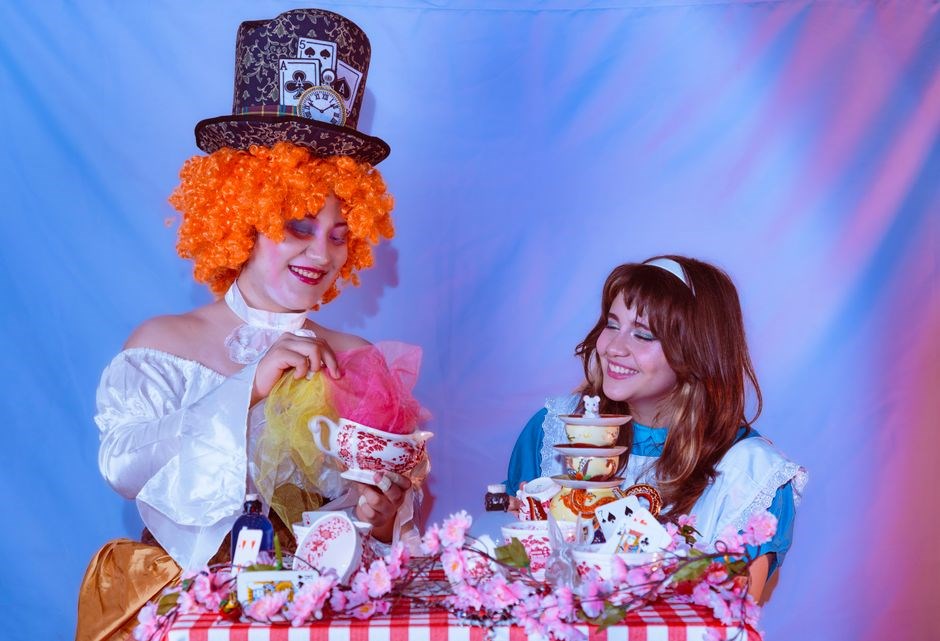
The Mad Hatter, a whimsical yet slightly deranged tea‑time host, embodies the chaotic spirit of Wonderland․ He delivers monologues that blend riddles with philosophical musings, often punctuated by sudden bursts of laughter or sudden silence, reflecting his unpredictable nature․ The March Hare, forever in a hurry, is the Hatter’s loyal companion․ He is characterized by his frantic pacing, constant chatter, and an insatiable appetite for tea, which he insists must be “just right․” Together, they orchestrate the chaotic tea‑party scene, creating a dynamic interplay that showcases their contrasting personalities․ The Queen of Hearts, the tyrannical monarch, is the embodiment of arbitrary authority․ She frequently demands “Off with their heads!” while simultaneously being indecisive and easily offended․ Her presence commands the stage, and her dramatic outbursts provide a sharp contrast to the Hatter’s eccentricity and the Hare’s frantic energy․ Each character’s distinct voice and mannerisms are crucial for the play’s comedic timing and thematic depth, offering audiences a vivid exploration of madness, authority, and the absurdity of social conventions․ It blends humor with profound insight, captivatngall!!
Synopsis Highlights: Act One & Act Two

Act One opens with Alice’s bewildering descent into Wonderland, where she encounters the eccentric Mad Hatter and his frantic March Hare․ The tea‑party scene is a whirlwind of nonsensical riddles, absurd tea rituals, and a subtle critique of Victorian social norms․ Alice’s bewilderment escalates as she questions the logic of the world, ultimately confronting the tyrannical Queen of Hearts, who demands “Off with their heads!” The act ends with a chaotic court scene, where the Queen’s arbitrary decrees clash with the Hatter’s chaotic wisdom, leaving Alice in a state of bewildered awe;
Act Two deepens the surrealism, as Alice navigates a labyrinth of riddles and paradoxes․ The Hatter’s riddles grow increasingly cryptic, challenging Alice’s perception of reality․ The March Hare’s frantic pacing becomes a frantic chase across the stage, culminating in a dramatic confrontation with the Queen․ The climax sees Alice confronting the Queen’s madness, ultimately outwitting her with a clever twist that exposes the absurdity of her decrees․ The play concludes with Alice’s return to the ordinary world, her perspective forever altered by the chaotic, whimsical, and philosophically rich journey through Wonderland․
Set pieces shift clocks, while actors blend banter with satire, each line feels fresh․ Lighting shifts from dim, Wonderland’s mood swings, inviting audience to question reality․ Staging keeps viewers engaged, turning play into immersive, thought‑provoking adventure fun! The audience departs, by the play’s timeless appeal!
Production Notes: Stage Directions & Props
Stage directions in the Alice in Wonderland play script PDF emphasize fluidity and surrealism, guiding actors through a constantly shifting landscape․ The set is minimal yet evocative, featuring a large, rotating teacup that serves as a portal between scenes․ Actors are instructed to move with exaggerated, almost dance‑like gestures to mirror the whimsical logic of Wonderland․ Lighting cues shift from warm amber during the tea party to stark, high‑contrast reds during the Queen’s court, underscoring the tonal shift․ Props are deliberately oversized: a giant pocket watch, a colossal chessboard, and a stack of oversized playing cards that the Queen uses to dictate her decrees․ The Mad Hatter’s hat is a multi‑layered, kaleidoscopic creation that changes color with each line, while the March Hare’s pocket watch is perpetually stuck at 6:00, symbolizing the endless loop of time in Wonderland․ The costume designers are instructed to use bright, mismatched fabrics to reflect the chaotic aesthetic, with the Queen’s attire featuring bold, clashing patterns․ Sound designers incorporate a mix of classical piano interludes and discordant, avant‑garde percussion to create an auditory landscape that feels both familiar and unsettling․ The script’s stage directions also include specific blocking for the “Off with their heads!” scene, where actors must execute a synchronized, dramatic exit that emphasizes the absurdity of the Queen’s commands․ Overall, production notes emphasize a balance between theatrical spectacle and subtle commentary on societal norms, ensuring that each performance remains both visually arresting and intellectually engaging․ Each prop invites playful curiosity always․ fun․