
Definition of an American Indian Spirit Guide
A spirit guide is a personal guardian spirit‚ often an animal or ancestor‚ that offers protection‚ wisdom‚ and direction in health‚ safety‚ success‚ and happiness. Native traditions view it as a lifelong companion revealed through dreams‚ ceremonies‚ or vision quests. Guides are invoked through rituals.
Explaining the Concept of a Spirit Guide in Indigenous Spirituality
In many Indigenous traditions‚ a spirit guide is a non‑physical entity that accompanies an individual from birth‚ offering counsel‚ protection‚ and a link to the natural and ancestral realms. These guides are often embodied by animals‚ natural phenomena‚ or revered ancestors‚ and they manifest through dreams‚ visions‚ or subtle signs in daily life. The relationship is reciprocal: the seeker honors the guide with respect‚ rituals‚ and offerings‚ while the guide provides insight‚ healing‚ and direction. Spirit guides are not merely symbolic; they are considered living participants in the spiritual ecology‚ influencing decisions‚ health‚ and community cohesion. Their presence is affirmed in stories‚ songs‚ and ceremonial practices‚ reinforcing the interconnectedness of all beings. Understanding a guide involves recognizing its unique voice‚ learning its language of symbols‚ and integrating its lessons into personal growth and communal responsibilities.
During vision quests‚ seekers deliberately isolate themselves to encounter their guide‚ often through fasting‚ chanting‚ and exposure to natural elements. The guide may appear as a powerful animal—such as a wolf‚ bear‚ or eagle—each carrying specific attributes: courage‚ strength‚ or perspective. Alternatively‚ the guide might be a spirit of a place‚ like a river or mountain‚ symbolizing the environment’s wisdom. Once identified‚ the guide becomes a mentor‚ offering warnings about danger‚ encouragement in times of doubt‚ and a sense of belonging within the larger cosmological narrative. This dynamic fosters resilience‚ as individuals learn to navigate life’s challenges with the guide’s steady presence.
Respectful engagement with a spirit guide demands humility and intentionality. Practitioners often perform specific rituals—such as smudging with sage‚ presenting food offerings‚ or reciting prayers—to invite the guide’s presence. They also keep detailed dream journals‚ noting recurring symbols that may signal the guide’s communication. In communal settings‚ elders may interpret these signs‚ ensuring that the guide’s messages align with cultural values and collective well‑being. This collaborative approach preserves the integrity of the guide’s role while allowing individual seekers to internalize its teachings.
Ultimately‚ the spirit guide embodies the living link between person‚ community‚ and cosmos‚ guiding each step with wisdom rooted in ancestral experience.!

Historical Context of Spirit Guides in Native American Cultures
Spirit guides emerged early in tribal lore‚ appearing in oral histories‚ rock art‚ and ceremonial rites. They served as protectors‚ teachers‚ and mediators between people and the Great Spirit‚ evolving with migration and cultural exchange across North America. Their roles reflected each tribe’s beliefs
Evolution of Spirit Guide Beliefs Across Tribal Traditions
Across the continent‚ spirit guide concepts have shifted from early animistic practices to complex cosmologies. In the Southwest‚ Pueblo peoples integrated the Great Spirit’s animal emissaries into agricultural rituals‚ linking seasonal cycles to specific animal guardians. The Plains tribes‚ with their nomadic lifestyle‚ emphasized horse spirits and thunderbirds‚ reflecting mobility and warfare. In the Pacific Northwest‚ the rich cedar forest and salmon abundance fostered a deep reverence for water spirits and bear guides‚ often invoked during potlatch ceremonies. The Northeast’s Algonquian groups incorporated the spirit of the forest and the raven‚ a trickster that also served as a teacher. As European contact introduced new religions‚ many tribes adapted their guide beliefs‚ blending Christian symbols with traditional guardians. The 19th‑century missionary era saw suppression of ceremonies‚ yet underground practices persisted‚ preserving the core idea of a personal guide. In contemporary times‚ urban Native communities revive vision quests and dreamwork‚ re‑affirming the guide’s role in identity and healing. Thus‚ while the core function of protection and wisdom remains constant‚ the expression of spirit guides reflects each tribe’s environment‚ history‚ and adaptive resilience. The Navajo‚ with their intricate weaving traditions‚ view the spirit of the desert wind as a guide that teaches patience and resilience. Cherokee elders recount how the cedar tree spirit guides hunters‚ ensuring respectful hunting practices. In the Great Basin‚ the sagebrush spirit is revered for its ability to purify and protect travelers. Modern digital platforms have allowed diaspora members to share stories of their guides‚ creating virtual vision quests. Academic studies of oral histories reveal that the concept of a personal guide often serves as a mnemonic device for cultural values. Some contemporary artists incorporate guide imagery into murals‚ reinforcing communal identity. In legal contexts‚ recognition of spiritual practices has led to protective measures for sacred sites.
Common Archetypes of Spirit Guides
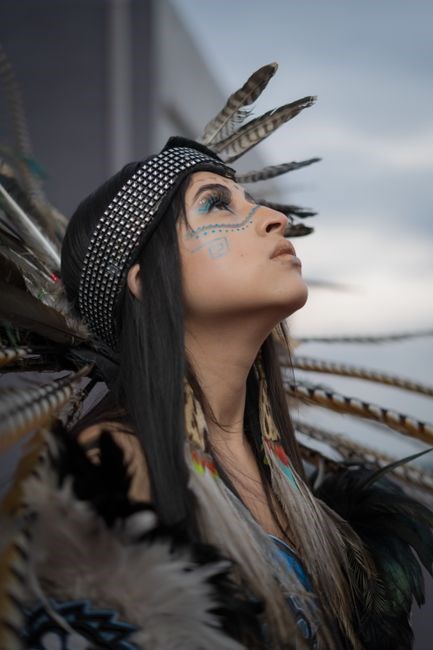
Animals such as the eagle‚ bear‚ and wolf serve as guardians‚ strength‚ vision‚ and loyalty. Ancestors appear as guiding spirits‚ offering wisdom from past generations. Nature spirits—rain‚ fire‚ cedar—provide protection‚daily reflecting each tribe’s environment.
Major Symbolic Figures: Animals‚ Ancestors‚ and Nature Spirits
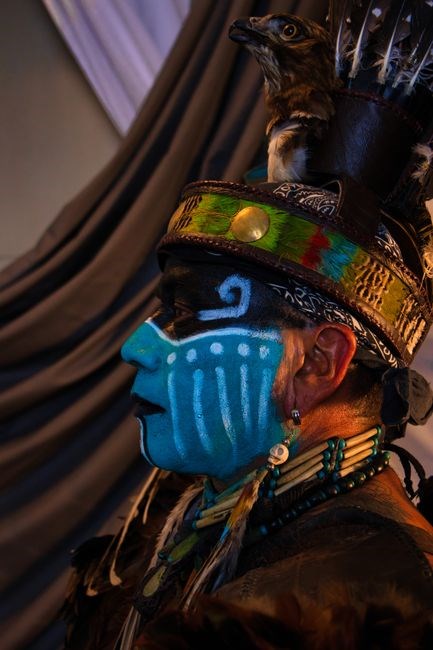
Animals‚ ancestors‚ and nature spirits occupy central roles in the spiritual cosmology of diverse Native American cultures. The eagle‚ with its expansive wings‚ is often seen as a messenger between the earthly realm and the Great Spirit‚ guiding seekers toward higher vision and truth. The bear‚ revered for its regenerative power‚ embodies strength‚ healing‚ and the capacity to endure hardship‚ while the wolf‚ a symbol of loyalty and communal intelligence‚ teaches the importance of trust and shared purpose. Ancestors‚ regarded as living links to the past‚ are invoked during rituals to provide wisdom‚ protection‚ and continuity‚ ensuring that the lessons of previous generations inform present decisions. Nature spirits—such as the river‚ or the fire—are believed to inhabit the elements that sustain life‚ offering guidance that is deeply rooted in the rhythms of the land. Together‚ these archetypes form a tapestry of guidance that encourages individuals to align with the natural world‚ honor their lineage‚ and cultivate a personal relationship with the unseen forces that shape their journey. By engaging with these symbolic figures through meditation‚ dreamwork‚ or ceremonial offerings‚ practitioners can access a reservoir of insight‚ courage‚ and clarity that transcends ordinary experience.
The integration of these guides into daily life fosters a continuous dialogue between the individual and the spiritual realm‚ reinforcing the belief that every action carries spiritual significance and that the guides are always present‚ to assist!
Rituals and Ceremonies Involving Spirit Guides
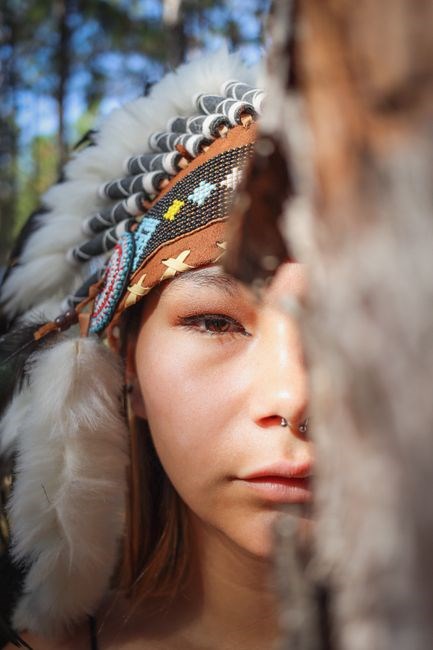
Rituals involve vision quests‚ sweat lodge‚ drum circles‚ and cedar smudging. Participants seek guidance‚ ask for clarity‚ and honor the spirit. Offerings of cornand prayers are made to invite the guide’s presence and support during the ceremony.
Key Ceremonial Practices: Vision Quests and Spirit Ceremonies
Vision quests‚ a rite of passage‚ involve fasting‚ isolation‚ and prayer in natural settings‚ inviting a spirit guide to appear in dreams or visions. The participant often sits beneath a sacred tree‚ chants‚ and consumes bitter herbs to provoke spiritual insight. The guide may manifest as an animal‚ ancestor‚ or elemental force‚ offering counsel on personal purpose and healing.
Spirit ceremonies‚ rooted in communal devotion‚ combine drum circles‚ cedar smudging‚ and sweat lodge purification. Elders lead chants that call forth the Great Spirit‚ while participants offer corn‚ cedar‚ and prayer beads. The ceremony’s rhythm aligns body‚ mind‚ and spirit‚ fostering a shared connection to the guide and the wider cosmos.
Both practices emphasize respect‚ humility‚ and intentionality. They require preparation: cleansing rituals‚ proper attire‚ and a clear intention. The guide’s presence is honored through songs‚ storytelling‚ and symbolic gifts‚ ensuring the participant’s journey is guided‚ protected‚ and transformed.
The ceremony unfolds in stages: an opening prayer invites the Great Spirit‚ followed by a purification phase where participants inhale cedar smoke‚ cleanse sweat lodge‚ and chant. The middle segment is the invocation‚ where the guide is called through specific chants‚ drum rhythms‚ and symbolic gestures. Finally‚ the closing involves communal sharing of insights‚ offering thanks‚ and a final blessing that seals the connection.
Blessed
Methods for Connecting with a Personal Spirit Guide
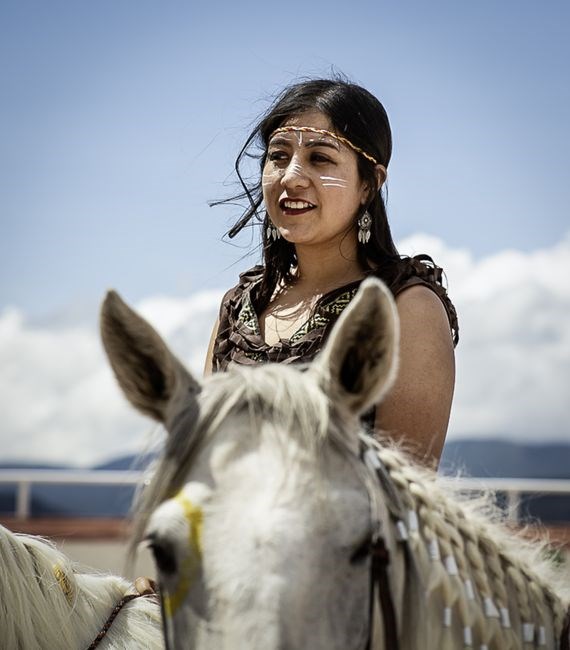
Use meditation dream journaling and herbal offerings. Begin with a space‚ light sage‚ and focus on breath. Invite the guide by naming its animal or ancestor‚ then ask for guidance. Listen for subtle signs in dreams nature or intuitive nudges!!!
Practical Techniques: Meditation‚ Dreamwork‚ and Herbal Offerings
Begin by creating a quiet‚ sacred space. Light a candle or burn sage to cleanse the area. Sit comfortably‚ close your eyes‚ and breathe slowly. Visualize a protective circle of white light surrounding you. Call upon your spirit guide by name or by its animal symbol‚ asking for guidance. Hold a small bowl of water or a piece of cedar bark as a focus. As you breathe‚ imagine the guide’s presence growing brighter‚ filling the circle with warmth and insight. Remember that consistency is key; regular practice deepens the connection and sharpens the guide’s clarity.
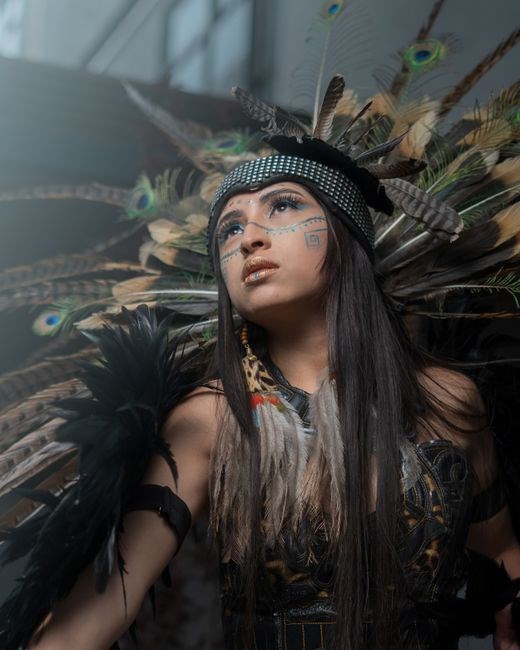
Dreamwork follows a similar rhythm. Keep a dream journal beside your bed. Each night‚ before sleep‚ repeat the meditation‚ inviting the guide to visit in your dreams. When you awaken‚ write down any images‚ sounds‚ or feelings that arise. Over time‚ patterns will emerge—symbols‚ colors‚ or specific animals—that point to the guide’s messages. If a dream feels significant‚ perform a brief cleansing ritual with sage or sweetgrass‚ then reflect on the lesson it offers. When you feel the guide’s presence‚ respond with a simple affirmation‚ reinforcing mutual trust.
Herbal offerings are a tangible way to honor the guide. Commonly used plants include sage‚ sweetgrass‚ cedar‚ and juniper. Prepare a small bowl of each herb‚ placing them on a flat stone or a wooden altar. Offer a prayer or a simple statement of gratitude. As you do so‚ visualize the herbs carrying your intention to the spirit realm. After the offering‚ sit in silence for a few minutes‚ allowing the energy to settle; This practice strengthens the bond and invites the guide’s continued support in daily life.

Modern Interpretations and Usage
In contemporary circles‚ American Indian spirit guides are embraced by diverse spiritual communities. Practitioners use guided meditations‚ online vision quests‚ and digital dream journals to connect. These modern practices honor tradition while adapting to technology‚ fostering respectful‚ inclusive engagement.!!
Contemporary Spiritual Communities and the Role of Spirit Guides Today
Participants also engage in community storytelling‚ where elders recount the origins of their guides‚ reinforcing cultural continuity. Many groups incorporate drumming circles‚ chanting‚ and the use of sacred herbs to create a receptive environment for the guide’s presence. Some modern practitioners blend these rituals with mindfulness practices‚ using guided imagery to visualize their guide’s form and message. Workshops often conclude with a sharing circle‚ allowing individuals to articulate insights gained and express gratitude. This collaborative approach fosters mutual support and collective growth‚ ensuring that the spirit guide’s wisdom remains a living‚ evolving force within contemporary spiritual landscapes. Guidance fuels hope deeply
Ethical Considerations and Respectful Practice
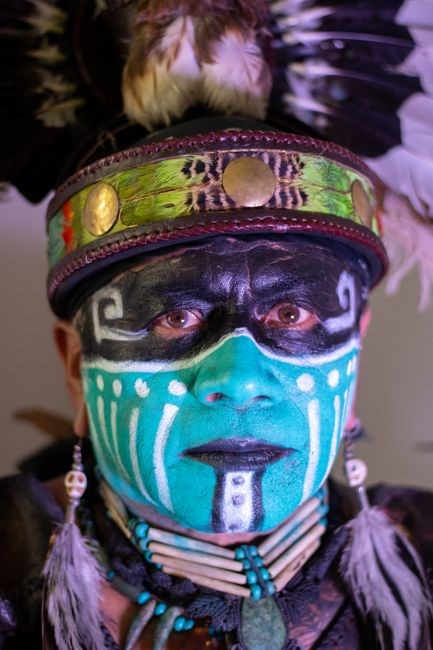
Respectful practice demands honoring tribal origins‚ avoiding cultural appropriation‚ and seeking permission from community elders. Engagement involves learning proper rituals‚ using traditional symbols responsibly‚ and acknowledging the guide’s sacred role. Ethical guidance preserves cultural integrity.!
Guidelines for Cultural Sensitivity and Authentic Engagement
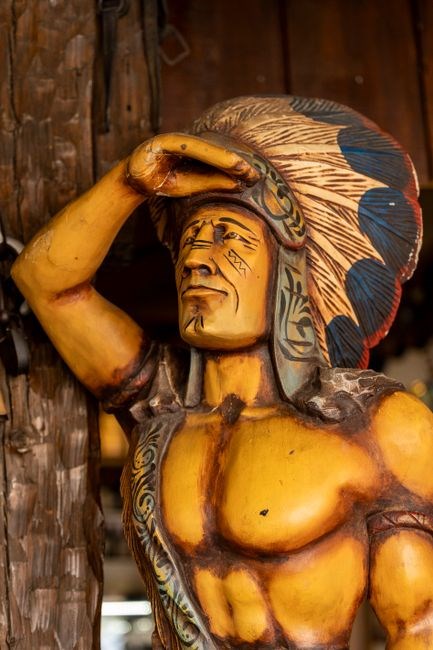
Finally‚ maintain ongoing dialogue. Cultural practices evolve‚ and what was once acceptable may shift. Regularly check in with community representatives‚ adapt your practices accordingly‚ remain open to learning. By honoring these guidelines‚ you help preserve the integrity of the guide’s legacy while fostering genuine‚ respectful connection.!